Should You Use Brakes or Gears When Driving Downhill?

When driving on steep and winding roads, choosing the most effective and safe braking method is crucial. Should you rely on continuous braking, or is engine braking (using the vehicle's gear resistance) the optimal solution?
Expert Advice: Why Neutral (N) is Not Recommended
From a safety perspective, shifting to Neutral (N) while going downhill allows the car to coast freely without any engine resistance. In this case, the driver must rely entirely on the brakes to control speed.
- On short downhill sections, the brakes may function smoothly without issues.
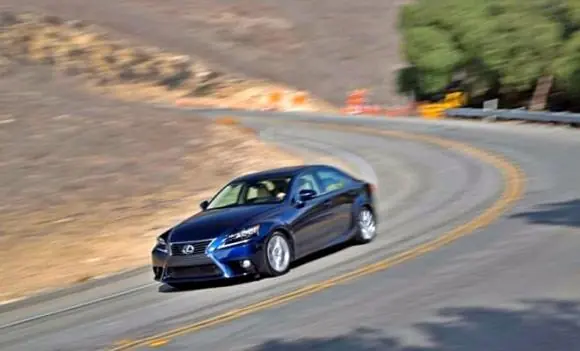
- However, on long descents with frequent curves, excessive braking can become dangerous. Continuous use of the brakes to slow down the vehicle on sharp turns may lead to brake overheating, causing a loss of braking efficiency.
- In severe cases, the brakes could fail completely, significantly increasing the risk of an accident.
Therefore, using Neutral (N) and relying solely on the brakes on long descents is not a viable option.
Experienced Drivers Prefer Engine Braking
Many experienced drivers believe that engine braking (gear braking) is both safer and more effective. A common technique is the "same gear up, same gear down" rule. This means that if you climb a hill in second gear, you should descend in second gear as well for optimal safety.
Benefits of Engine Braking:
✅ Reduces the need for excessive braking, preventing brake overheating and failure.
✅ Helps maintain a stable speed without relying solely on the brake pedal.
✅ Improves fuel efficiency by utilizing engine resistance instead of continuous braking.
How to Drive Downhill Safely
To descend safely, drivers should consider the steepness of the road, terrain conditions, and traffic flow before choosing the appropriate gear.
- The safest speed when driving downhill is one that allows the driver to maintain full control without excessive braking—using engine power rather than coasting.
- Controlled acceleration downhill means that the vehicle is still driven with slight throttle input, rather than simply rolling down due to gravity.
Using the Right Gear for Downhill Driving
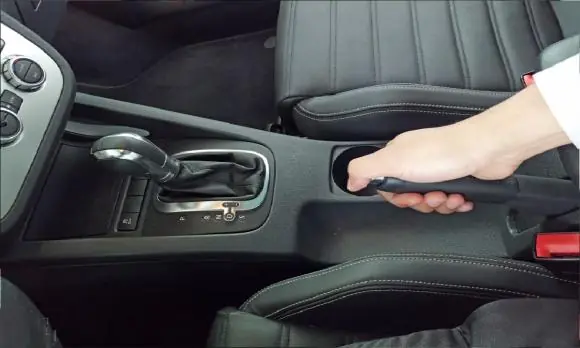
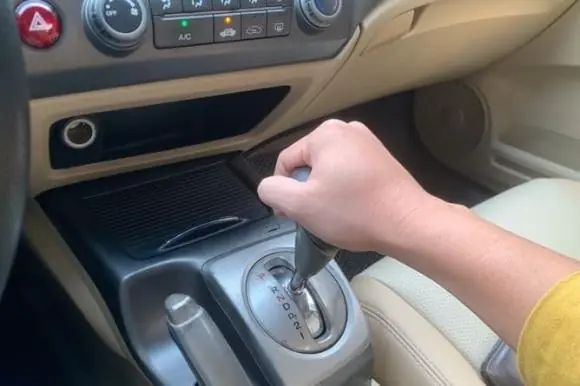
Most automatic transmission (AT) vehicles provide additional numbered gear positions besides the standard D (Drive) mode. The number of these positions depends on the transmission system of the car.
- Experienced drivers can usually select the right gear before descending, requiring minimal adjustments.
- If the selected gear does not provide enough engine braking, the car may gain excessive speed, making it difficult to control.
- If the gear is too low, the engine will rev too high, causing strain on the vehicle. In this case, shift to a higher gear.
- If the gear is too high, the car will rely too much on brakes, leading to excessive wear and potential brake failure. In this case, quickly apply light braking and downshift to a lower gear.
Conclusion
By selecting the appropriate gear for the downhill section, drivers can maintain safe control of their speed, use minimal braking, and even come to a complete stop if necessary. Using engine braking instead of continuous braking ensures a safer and more controlled descent while also extending the lifespan of your braking system.
News in the same category


Scorching Hot Weather? Try This Budget-Friendly Hack to Make Your Car’s AC Cooler! 🚗❄️

Why Experienced Drivers Prefer Sitting Farther Back – It’s Not Just a Habit, It’s a Big Advantage! 🚗💡

What to Do If Your Car’s AC Uses Too Much Fuel in the Summer? Smart Drivers Follow This Trick to Stay Cool & Save Gas

Seemingly Harmless Items That Can Cause Serious Damage If Left in a Hot Car

Buying a Used Car? Stick to These 5 Reliable Brands for Fuel Efficiency and Longevity

Buying a Used Car to Save Money? Avoid These 10 Models or Risk Costly Repairs

Filling Up Your Gas Tank: Full Tank or Half Tank—Which is Better for Your Car? A Veteran Driver Reveals a Common Mistake

How to Park an Automatic Car Properly: Shift to P First or Engage the Parking Brake First?

When Stopping at a Red Light, Should You Shift to Neutral (N) or Stay in Drive (D) and Hold the Brake?
News Post

How Far Can Your Car Go When the Fuel Gauge Hits ‘E’? The Truth About Driving on Empty 🚗⛽

Scorching Hot Weather? Try This Budget-Friendly Hack to Make Your Car’s AC Cooler! 🚗❄️

Why Experienced Drivers Prefer Sitting Farther Back – It’s Not Just a Habit, It’s a Big Advantage! 🚗💡

What to Do If Your Car’s AC Uses Too Much Fuel in the Summer? Smart Drivers Follow This Trick to Stay Cool & Save Gas

Caught on camera: Owner leaves golden retriever behind in heartbreaking video.

Seemingly Harmless Items That Can Cause Serious Damage If Left in a Hot Car

Buying a Used Car? Stick to These 5 Reliable Brands for Fuel Efficiency and Longevity

Buying a Used Car to Save Money? Avoid These 10 Models or Risk Costly Repairs

Filling Up Your Gas Tank: Full Tank or Half Tank—Which is Better for Your Car? A Veteran Driver Reveals a Common Mistake

Mercedes-Benz Classic Sells for $51.2 Million—Still Not the Most Expensive Car in History

How to Park an Automatic Car Properly: Shift to P First or Engage the Parking Brake First?