How Far Can Your Car Go When the Fuel Gauge Hits ‘E’? The Truth About Driving on Empty 🚗⛽
Tips 10/03/2025 02:42
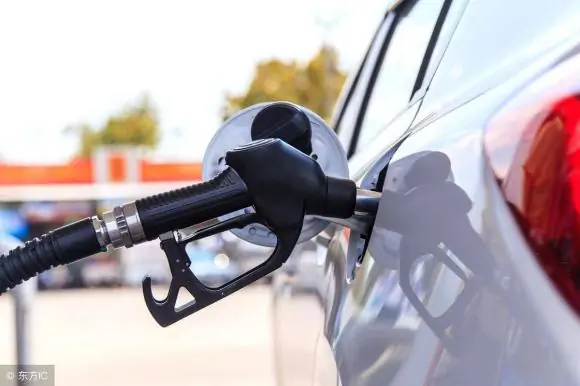
When refueling, should you fill up your tank completely or only halfway? Many drivers believe one method is better for fuel efficiency and vehicle longevity. However, a veteran driver warns that refueling incorrectly can actually damage your engine and other vehicle components. Understanding the right way to refuel can help your car run smoothly and last longer.
Many drivers only fill their tank halfway, thinking it saves fuel and prevents damage to the vehicle. There’s also a common belief that gas evaporates quickly or that a full tank puts unnecessary strain on the car.
However, this theory is incorrect. Let’s break down the real impact of filling up vs. only refueling halfway.
While it might seem like a good idea to fill up to the brim, doing so can lead to problems:
✅ Potential Damage to the Carbon Canister System
✅ Increased Fuel System Pressure
✅ Gasoline Odor in the Car
Surprisingly, consistently refueling only halfway can also be harmful to your car:
❌ Increased Wear on the Fuel Pump
❌ Frequent Refueling Can Be More Costly in the Long Run
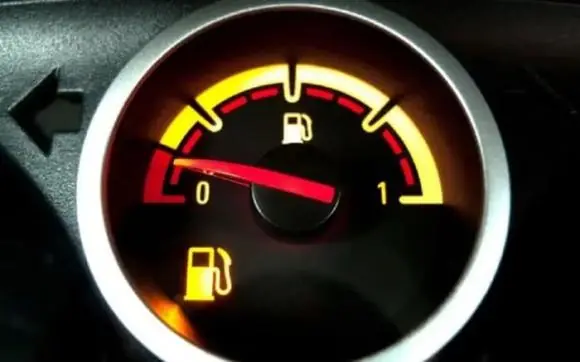
To optimize fuel efficiency and extend the lifespan of your vehicle, experts recommend filling your tank to about 70-80% capacity.
Here’s how you should refuel based on driving conditions:
🔹 City Driving: Fill your tank up to ⅔ of the gauge.
🔹 Highway Driving: Adjust fuel levels based on distance:
By following this method, you protect your fuel system, improve efficiency, and reduce unnecessary maintenance costs.
🚗 Bottom Line: Whether you drive in the city or on the highway, filling up 70-80% of your tank is the ideal way to maintain fuel efficiency and vehicle longevity. Avoid the extremes—don’t overfill, but don’t run on empty either!
Would you change your refueling habits after reading this? Share your thoughts in the comments! 👇