How Far Can Your Car Go When the Fuel Gauge Hits ‘E’? The Truth About Driving on Empty 🚗⛽
Tips 10/03/2025 02:42
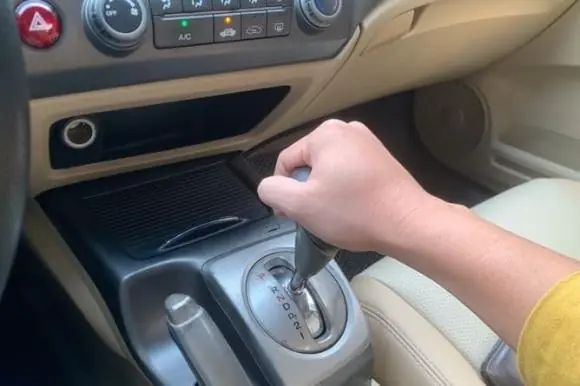
Whether to leave the car in Drive (D) or shift to Neutral (N) while waiting at a red light for safety and fuel efficiency is something not all drivers are aware of.
I have been driving for over 10 years and currently use a Honda Civic with an automatic transmission. Normally, when stopping at a red light, I keep the car in Drive (D) and hold the brake. Once the light turns green, I simply release the brake and move forward.
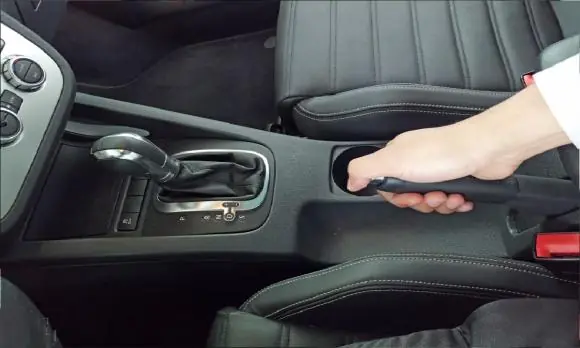
However, many times when driving friends around, they have told me that I should shift to Neutral (N) and engage the parking brake while waiting at a red light. They claim it is safer, reduces wear on the car, and saves fuel. So, which method is actually correct?
When stopping at a red light in an automatic car, you have three possible gear options:
By keeping the car in D, the vehicle is always ready to move once you release the brake. This provides better responsiveness in emergency situations, such as if the car behind you loses control, or if you need to inch forward slightly.
Drawbacks:
This option allows you to rest your foot and is believed to reduce fuel consumption slightly. When in Neutral, the car is technically running in an idle state, consuming less fuel than when in Drive. However, modern electronic fuel injection systems automatically reduce fuel flow when the accelerator is released, meaning the fuel savings are minimal.
Precautions:
This is another option if you want to fully relax your foot. The car will remain stationary without requiring the parking brake because the transmission itself prevents movement.
Considerations: