How Far Can Your Car Go When the Fuel Gauge Hits ‘E’? The Truth About Driving on Empty 🚗⛽
Tips 10/03/2025 02:42
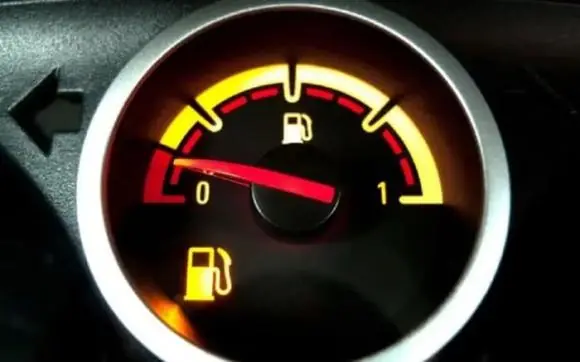
Ever found yourself panicking when the low fuel warning light turns on, and the needle on your fuel gauge hits ‘E’ (Empty)? Don’t worry—you’re not completely out of gas just yet.
Depending on your car model, you can typically drive another 30–60 km (18–37 miles), and in some cases, even up to 80 km (50 miles) before completely running out of fuel. But does that mean you should push your luck? Let’s find out.
When your car’s fuel gauge reaches ‘E’, it doesn’t mean the tank is entirely empty. Most vehicles still have around 10–15% of their fuel capacity remaining.
The distance varies based on several factors:
✔ Fuel tank size – A larger tank means more reserve fuel.
✔ Fuel efficiency – A fuel-efficient car can stretch its remaining fuel further.
✔ Driving conditions – Traffic, road type, and terrain can affect fuel consumption.
✔ Driving habits – Smooth driving conserves fuel, while sudden acceleration burns it faster.
🚗 Small cars: 30–50 km (18–31 miles)
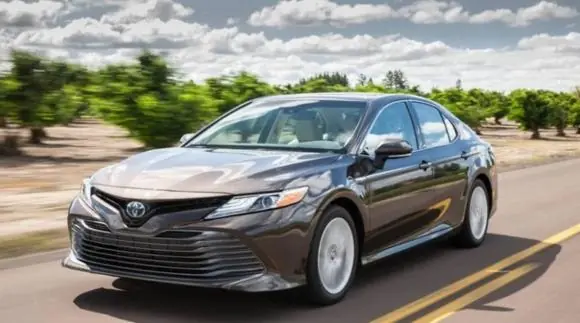
🚙 Sedans & SUVs: 40–60 km (25–37 miles)
🚛 Larger vehicles & trucks: 50–80 km (31–50 miles)
However, relying on this buffer is not a good habit. Driving with a near-empty tank can damage your car’s fuel system.
Running on low fuel isn’t just inconvenient—it can harm your car.
Your fuel pump relies on gasoline for cooling and lubrication. When the tank is almost empty, the pump may overheat and wear out faster, leading to costly repairs.
Over time, sediment and dirt settle at the bottom of the fuel tank. When you run low on gas, the pump may suck in these impurities, clogging fuel filters and injectors.
Driving on empty increases the risk of sudden breakdowns, especially in heavy traffic or dangerous road conditions.
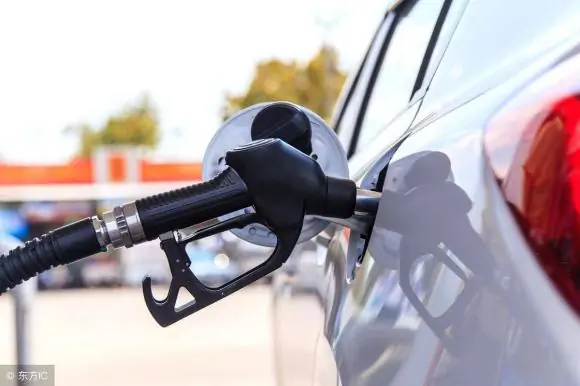
✔ Avoid waiting until the last minute to refuel.
✔ Fill up as soon as your fuel gauge nears ¼ tank to prevent damage and stress.
Saving fuel isn’t just about lowering gas costs—it also extends your car’s lifespan and reduces emissions. Here are five fuel-saving tips that every driver should follow:
Sudden acceleration and abrupt braking burn more fuel.
✔ Keep a consistent speed whenever possible.
✔ On long drives, maintain 50–80 km/h (31–50 mph) for optimal fuel efficiency.
Most modern cars have real-time fuel consumption displays—use them to monitor and adjust your driving habits.
Braking hard forces the engine to work harder to regain speed, leading to higher fuel consumption.
✔ Anticipate traffic flow to minimize unnecessary braking.
✔ Adjust speed gradually when approaching red lights.
🚦 Pro tip: In city traffic, maintain a safe following distance so you don’t have to brake suddenly.
Tailgating not only increases accident risk but also leads to frequent braking and acceleration, which wastes fuel.
✔ Keeping a safe distance from other cars allows for smoother driving, reducing unnecessary fuel usage.
On highways, cruise control helps maintain a steady speed, which improves fuel economy.
✔ If your car has Cruise Control, use it on long, open roads to save gas.
✔ Avoid using it on hilly terrain, where manual adjustments are more fuel-efficient.
Carrying excessive weight forces your engine to work harder, increasing fuel consumption.
✔ Remove unnecessary heavy items from your trunk.
✔ Follow the recommended weight limits in your vehicle manual.
🚗 Lighten your load = Lower fuel costs!
To keep your car running smoothly and efficiently, regular maintenance is key.
✔ Check tire pressure – Under-inflated tires increase fuel consumption.
✔ Change engine oil regularly – Clean oil reduces friction, improving efficiency.
✔ Clean the air filter – A dirty filter makes the engine work harder.
✔ Inspect the fuel system – Regularly check for leaks and clogged fuel injectors.
Proper maintenance ensures your car burns fuel efficiently, saving you money in the long run.
While your car can still travel a few miles after the fuel gauge hits ‘E’, it’s not worth the risk.
💡 Pro Tips:
✔ Refuel before reaching ¼ tank to avoid potential damage.
✔ Adopt fuel-saving habits to extend your car’s mileage.
✔ Keep up with regular maintenance for optimal fuel efficiency.
By following these simple steps, you’ll avoid unnecessary breakdowns, save money, and drive safer.
💬 Ever tested how far your car can go on empty? Share your experience in the comments!