What to Do If Your Car’s AC Uses Too Much Fuel in the Summer? Smart Drivers Follow This Trick to Stay Cool & Save Gas
At the peak of summer, stepping into a scorching hot car can feel like stepping into an oven. Naturally, the first thing you do is crank up the air conditioning. But wait—why is your fuel gauge dropping faster than usual? Yes, excessive fuel consumption is a real concern when running the AC.
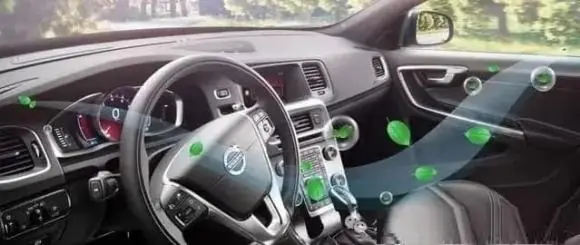
Imagine this: The sun is blazing outside, and you’re sitting in a sweltering car, waiting for the AC to cool things down. Miserable, right? Experienced drivers know the secret to handling this situation effectively. The key lies in the air circulation mode. Instead of immediately shutting the windows and blasting the AC, try this:
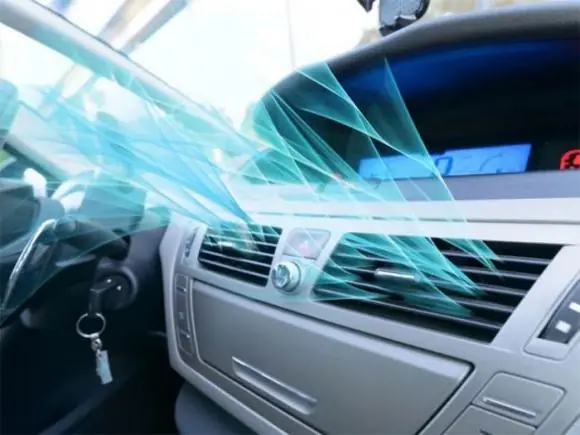
- First, use the fresh air mode. Roll down the windows for a minute and let the outside air flow in. This helps push the trapped hot air out and lowers the car's internal temperature faster.
- Then, switch to recirculation mode. Once the inside and outside temperatures are closer, recirculating the already cooled air reduces the workload on your AC, making it more efficient while saving fuel.
By following this simple trick, you’ll not only stay cool faster but also save a significant amount on gas—especially useful during long summer drives.
Maximize Your AC Efficiency & Save Money This Summer
Your car’s AC is a summer essential, but did you know that using it strategically can keep you comfortable while lowering fuel consumption? Let’s break down the best way to use your AC for maximum efficiency.
1. Use Fresh Air Mode First
Stepping into a hot car often feels like entering a sauna. If you immediately turn on the AC in recirculation mode, the system has to work extra hard to cool down the scorching interior. The smarter move?
- Open the windows briefly and activate fresh air mode.
- This allows hot air to escape while bringing in cooler outside air.
- The result? Less strain on your AC and lower fuel consumption.
2. Switch to Recirculation Mode at the Right Time
Once the car’s interior has cooled down to a reasonable level, switching to recirculation mode helps the AC work more efficiently by continuously cooling already conditioned air. This:
✅ Prevents hot air from entering the cabin,
✅ Reduces energy demand, and
✅ Helps your AC run more efficiently, cutting fuel costs.
3. Set the Right Temperature
Many drivers make the mistake of cranking the AC to the lowest temperature, thinking it will cool the car faster. In reality, setting it between 75–78°F (24–26°C) is ideal.
- This keeps you comfortable without overworking the AC.
- Lower settings force the system to consume more fuel to maintain extreme cold.
- A moderate setting balances cooling and efficiency, saving you money in the long run.
4. Adjust AC Use Based on Speed
Your car’s speed affects how efficiently the AC works:
- At high speeds (highway driving): Keep windows closed to reduce drag and use recirculation mode to maintain cooling efficiency.
- At low speeds (city driving or traffic jams): Occasionally crack the windows for ventilation to reduce strain on the AC system.
5. Regular Maintenance Is Key
Your AC won’t function at peak efficiency if it’s clogged or poorly maintained. To keep it running smoothly:
🔹 Clean or replace the air filter regularly. A dirty filter makes the system work harder, increasing fuel consumption.
🔹 Check refrigerant levels to ensure optimal cooling.
🔹 Have your AC system inspected periodically to detect leaks or inefficiencies.
Drive Smarter, Stay Cooler, and Save More This Summer
By following these expert tips, you’ll stay cool without wasting fuel, helping both your wallet and the environment. Try them out and experience the difference—this summer, let’s drive smarter and more efficiently! 🚗💨🌞
News in the same category


Scorching Hot Weather? Try This Budget-Friendly Hack to Make Your Car’s AC Cooler! 🚗❄️

Why Experienced Drivers Prefer Sitting Farther Back – It’s Not Just a Habit, It’s a Big Advantage! 🚗💡

Seemingly Harmless Items That Can Cause Serious Damage If Left in a Hot Car

Buying a Used Car? Stick to These 5 Reliable Brands for Fuel Efficiency and Longevity

Buying a Used Car to Save Money? Avoid These 10 Models or Risk Costly Repairs

Filling Up Your Gas Tank: Full Tank or Half Tank—Which is Better for Your Car? A Veteran Driver Reveals a Common Mistake

How to Park an Automatic Car Properly: Shift to P First or Engage the Parking Brake First?

Should You Use Brakes or Gears When Driving Downhill?

When Stopping at a Red Light, Should You Shift to Neutral (N) or Stay in Drive (D) and Hold the Brake?
News Post

How Far Can Your Car Go When the Fuel Gauge Hits ‘E’? The Truth About Driving on Empty 🚗⛽

Scorching Hot Weather? Try This Budget-Friendly Hack to Make Your Car’s AC Cooler! 🚗❄️

Why Experienced Drivers Prefer Sitting Farther Back – It’s Not Just a Habit, It’s a Big Advantage! 🚗💡

Caught on camera: Owner leaves golden retriever behind in heartbreaking video.

Seemingly Harmless Items That Can Cause Serious Damage If Left in a Hot Car

Buying a Used Car? Stick to These 5 Reliable Brands for Fuel Efficiency and Longevity

Buying a Used Car to Save Money? Avoid These 10 Models or Risk Costly Repairs

Filling Up Your Gas Tank: Full Tank or Half Tank—Which is Better for Your Car? A Veteran Driver Reveals a Common Mistake

Mercedes-Benz Classic Sells for $51.2 Million—Still Not the Most Expensive Car in History

How to Park an Automatic Car Properly: Shift to P First or Engage the Parking Brake First?

Should You Use Brakes or Gears When Driving Downhill?